

| Communication team
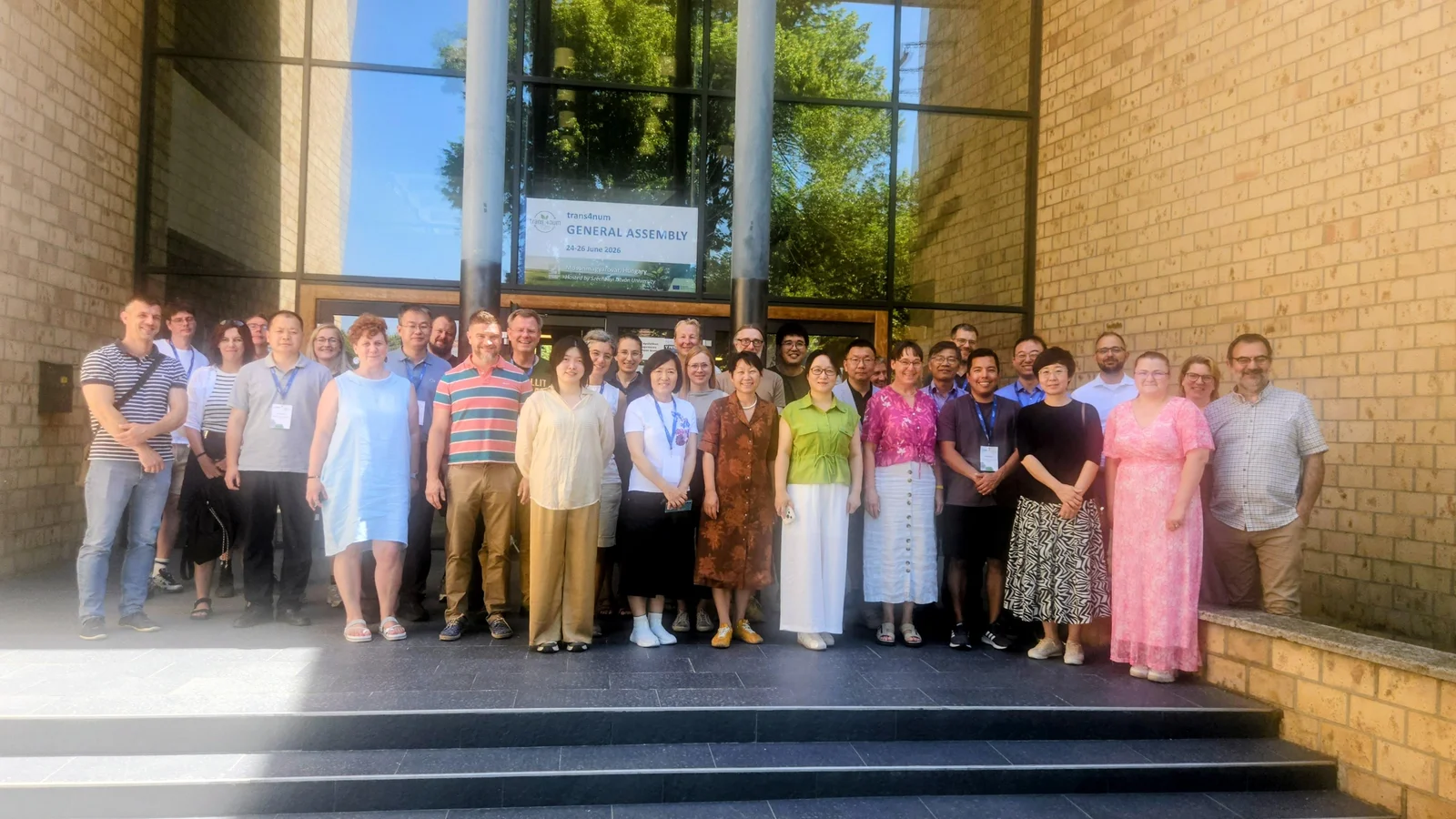
As the trans4num project enters its final months, project partners gathered in Mosonmagyaróvár, Hungary, for the final in person General Assembly, marking an important milestone in nearly four years of collaboration on Nature-Based Solutions (NBS) for sustainable nutrient management.
Hosted by Széchenyi István University (SZE), the two-day meeting brought together partners from across Europe and China to review the project's achievements, discuss the remaining activities, and shape the legacy that trans4num will leave for farmers, advisors, researchers and policymakers.
The meeting opened with a welcome from Dr. András Vér, followed by an introduction to Széchenyi István University and its wide range of innovation activities, including demonstration farms and knowledge transfer initiatives that closely align with trans4num's objectives.
Project Coordinator Andrea Knierim provided an overview of the progress made throughout the project and outlined the priorities for the final implementation period. Partners also received valuable insights from the project's Policy Officer on the evolving European policy landscape surrounding fertilisers and nutrient management, helping place the project's work within the broader context of agricultural policy developments.
The first day continued with presentations from the four Nature-Based Solution (NBS) demonstration sites, where partners shared the progress, experiences and lessons learned from implementing innovative nutrient management practices in different farming and environmental contexts. Discussions then turned towards one of trans4num's key scientific achievements: the development of three complementary modelling approaches designed to support sustainable nutrient management.
Partners reviewed the progress of the Decision Support Tool (DST), agent-based modelling, and food system modelling, all of which help stakeholders better understand the complex interactions within agricultural systems and support evidence-based decision-making. While these tools address technically complex challenges, their purpose is simple: to support informed discussions and better decisions on nutrient management by making scientific evidence more accessible. The trans4num Decision Support Tool is expected to be launched soon.
The afternoon concluded with discussions on how the knowledge generated across the four demonstration sites can be translated into a lasting legacy, ensuring that the project's results continue to benefit farmers, advisors, researchers and policymakers long after the project's completion.
The second day of the General Assembly focused on bringing together the knowledge generated over the past four years and translating it into clear policy messages and practical recommendations for the wider uptake of Nature-Based Solutions for sustainable nutrient management. Partners worked collaboratively to identify the project's key findings and define the messages that will support future policy development and practical implementation across Europe.
The meeting also highlighted the strong collaboration between the European and Chinese consortia. Xiangping Xia, Coordinator of trans4num China, reflected on the successful cooperation established throughout the project and presented several of the project's achievements in China, including the successful scaling-up of promising Nature-Based Solutions to regions where their implementation had previously not been possible. The session concluded with an overview of the project's outlook and the key administrative milestones leading towards its completion.
The General Assembly concluded with a field visit organised by Széchenyi István University (SZE), Pisztráng Kör Egyesület (PKE) and PMA, giving partners the opportunity to experience first-hand the Nature-Based Solutions tested at the Hungarian demonstration site and to hear directly from the local experts who have been implementing and monitoring these practices over the past three years.
The visit began with PKE, who introduced participants to the unique history of the Danube and explained how centuries of river dynamics have shaped the landscape and ecosystems of the region. This provided valuable context for understanding the environmental conditions in which the site's Nature-Based Solutions have been developed and tested.
The field visit concluded with Viktória Vona guiding participants through three different soil profiles. By comparing these profiles, partners were able to visualise how different management practices influence soil structure over time and observe the positive effects that Nature-Based Solutions can have on soil health, water retention and overall resilience.
Bringing together scientific knowledge with practical demonstrations, the field visit perfectly illustrated one of trans4num's core principles: developing Nature-Based Solutions through close collaboration between researchers and farmers, and translating research into practices that can support more sustainable nutrient management across Europe and beyond.
As trans4num approaches its conclusion, the final General Assembly represented an important opportunity to consolidate nearly four years of research, innovation and international cooperation. The knowledge, tools and policy recommendations developed through the project will continue supporting the transition towards more sustainable nutrient management and more resilient agricultural systems, leaving a lasting legacy for the European agricultural community.